Showing posts with label Classroom Management. Show all posts

A Better Way to Use Punch Cards in the Classroom

14 January 2019 / 3 comments
Learn how to upgrade a standard behavior or incentive punch card with this simple hack to make a sticker punch card for instant positive reinforcement and long-term goal setting in one.

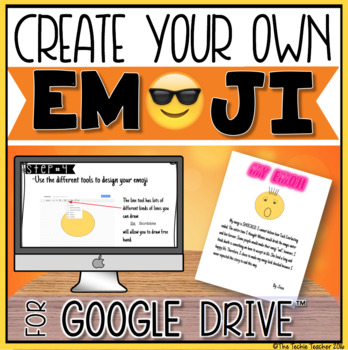
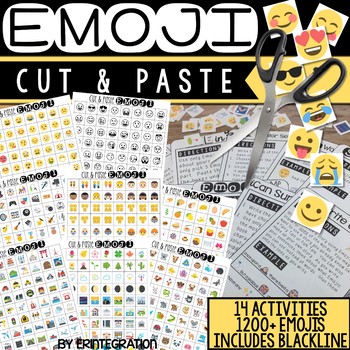
Check out this classroom management hack to make Emoji STICKER punch cards for incentives and positive reinforcement in the classroom.

What Are Punch Cards?

A punch card is a piece of cardstock usually with a student name and a certain amount of “slots” that are punched by the teacher.  The slots can be punched when the teacher observes positive student behaviors – this is usually discussed ahead with the student as part of a classroom management plan or an individual behavior plan.  
Check out this classroom management hack to make Emoji STICKER punch cards for incentives and positive reinforcement in the classroom.

You can also use punch cards to “save up” for something – for example a student receives a punch with every library book returned. Slots are typically punched with a traditional hole puncher.  Once the card is filled, the student earns either a prize or a non-tangible reward.

How to Use Punch Cards in the Classroom

There are many articles written about classroom rewards, incentives, punch cards, and the pros and cons of incentive-based classroom management systems.  Rather than debate the merits, I would advise teachers to read up on ways to use punch cards in the classroom and make their own informed decision. 

You know your students best and combined with best practices there are many ways to use punch cards that are worthwhile in the classroom. My one recommendation is to only punch for something positive, be mindful of the reward – is it achievable, is it extrinsic or intrinsic, is it meaningful – and to make objective and measurable goals.  

If you do use it for behavior, try to break the behavior into a specific positive one - rather than "good behavior" choose something concrete like "Raises hand at circle time" or "Pushes chair in."  For these type of goals, be sure to explain that students may not receive a punch EVERY time so the more they try, the more likely you will see it and punch it.

Also be sure to limit competition and comparison.  One way to do this is to have different goals for each student.  Students can even create their own goal to track. When students are involved in the process, they are more motivated to reach their goals too.  

My editable Emoji punch cards show in this article allow you to type in student names and goals / rewards so creating a different punch card for each student is easy.  I also find that differentiating punch cards and rewards reduces stress and students will earn punches at different times.

Punch Card Limitations

While punch cards do offer a visual recognition of achievement, some students struggle with long term rewards and might need feedback right away to continue to behavior.  In the beginning the punch itself provides that boost, but after a while some students may need more immediate recognition. 

For example, a student struggles with returning his take-home folder.  He creates a goal to track on his punch card so that each time he returns the folder, he get a punch.  After the card is full, he gets a special privilege…maybe he gets his pictures taken (holding the folder of course!) and his photo and card added to a Super Improver Wall or emailed home with a positive message.   However, for this particular student, filling the punch card is difficult and lengthy compared with his peers.  He feels frustrated and loses motivation.

Also, punch cards are limited in that the “progress” is only shown on the card itself.  This makes extra steps needed if you want to share these with parents.  Sending them back and forth opens up the chance that it will get lost.

Punch Card Hack

Solve the issues mentioned above by turning an ordinary punch card into a sticker punch card!  All you need to do is print punch cards onto full sheet sticker paper (or 4x4 large label paper).

Keep the back of the sticker paper on.  Depending on the “slots” of your punch card, you can use a circle puncher to punch out a space.  For my Emoji Punch Cards, each Emoji is roughly 16 mm or 5/8 inch so a circle puncher that punches that size works best.  

Check out this classroom management hack to make Emoji STICKER punch cards for incentives and positive reinforcement in the classroom.

After punching the Emoji out, remove the backing paper and voila, the Emoji is now a sticker!
The punch card still shows how many “slots” are used for long-term tracking, but now students receive an instant reward!

Check out this classroom management hack to make Emoji STICKER punch cards for incentives and positive reinforcement in the classroom.

You can have students keep stickers inside a take home folder or wear them home to share with families.  Students also like decorating their school supply bins and notebooks too.

Recommended Supplies

I recommend full sheets of printable sticker paper and labels.  The prices for this vary, but I have found the best deals on Amazon purchasing full sheet label paper. This Avery 8165 Label set comes in sets of 25, 50, 100, 500 sheets.  Since most punch cards print 4 to a page, you would not need more than 50 sheets for a year. You can also find off-brand label paper for even cheaper. Click the picture for more information about this package:


For punches, Amazon has a small selection including the Punch Bunch one I use but there are other options at Michaels and Hobby Lobby too.  Just be sure to use a punch that allows you to view the shape being punched so you can correctly line up the Emoji or other image on the punch card.  I have to flip mine upside down to view and then press, which isn't ideal but I'm used to it. 

My Emoji punch cards work best with a punch sized 16 mm or 5/8 inch. Click the images to see a quick sample of what is available:


If your punch cards have irregular slots or you want to save money, simply cut the sticker out in a square shape or use a larger sized circle punch.

Check out this classroom management hack to make Emoji STICKER punch cards for incentives and positive reinforcement in the classroom.

Have you ever used punch cards or other positive reinforcement classroom management techniques before? Share in the comments!


Read More...

What Parents Want - Tips from a Teacher Mom about Parent Communication

05 November 2018 / 2 comments
Studies repeatedly show that parental involvement in education has a direct impact on student achievement, yet teachers often struggle with getting parents actively involved in our classrooms. As professional demands increase for teachers and modern lifestyles keep families incredibly busy, it becomes even more challenging to build quality relationships with the parents of our students. However, we must invest time in reflecting on the effectiveness of our parent communication in order to maximize the positive impact on our students. This post is written by an anonymous classroom teacher that also happens to be a mother of three wonderful children. Read more to see how becoming a parent really changed her perspective about communication!

Dear Teachers,

When I began teaching, I always thought I was being very clear in my communication. I sent home newsletters, personalized emails and notes, and even invited parents into my classroom for special events. I assumed the parents in my classroom felt informed and understood my perspective. After I became a parent, I began to realize that I may not be communicating all that I originally thought. As teachers, we think a lot about HOW and HOW OFTEN to communicate with parents, but I wonder if we think as much about WHAT message our parents are really receiving from us about their child. Communication is more than the words we say to parents, but also what they hear and understand as a result.  Based on my experiences as both a parent and a teacher, I have developed these tips for better communication between parents and teachers.
Read More...

Building a Classroom Community

05 September 2018 / Leave a Comment
Teambuilding and Classbuilding ideas to help your students feel valued and important to the class.


Teachers have an important task at the beginning of each school year - to help the students in their classroom become a cohesive unit that can truly work together as the year progresses.  It's important to me that my students feel like our classroom is a family, where they are loved and accepted, safe and respected. Developing a positive classroom community takes time, but it is time well-invested. Follow these tips to build a positive community in your own classroom this year! 

BE INTENTIONAL ABOUT RELATIONSHIP BUILDING.

Research has even shown that a teacher's relationships with her students has a greater impact on student learning than the teacher's content knowledge! In other words, it doesn't matter how much you know if your students don't know how much you care about them. Relationship-building should be intentionally built into your classroom through lessons and activities. It can be tempting to think we don't have the time to "waste" on relationship-building, but that's just not true! It's so important.

FOCUS ON BECOMING A FAMILY.  

All students (and people in general) have a deep, psychological need to belong. They need to know they are accepted and valued by the teacher and other students in the class.  One of my favorite ways to help my classroom feel more like a family is to have Family Meetings at the beginning and end of the day. I bring students together in a circle in the mornings and afternoons to have group discussions, solve problems we may be experiencing, and share positive affirmations. Some people have these meetings only once a week, but my students are most responsive when I host them every day. We begin and end the day together on the carpet. I lead the meetings at the beginning of the year, but then teach students how to take over ownership. In time, the students learn the protocol for how a family meeting is held and are leading them out. This time is really cherished by the students!


TEACH STUDENTS HOW TO INTERACT AND BUILD AFFILIATIONS WITHIN SMALL GROUPS. 

In order for students to truly work together in cooperative learning groups, they need to have time to get to know their team members more closely. This is why teambuilding activities are so important! Teambuilding Activities encourage students get to know one another better and develop positive peer affiliations.  Teambuilding is truly the foundation for cooperative learning tasks to be successful because it helps students learn how to interact within small groups. The first few weeks back in school are crucial for students to engage in teambuilding activities.  Some ideas for teambuilding activities include: 

  • Team Motto/Mascot/Pennant/Shirt/Slogan, etc - Have students work as a team to design something and be prepared to explain the meaning behind what they designed. This is a great activity for table groups or teams that will be working together more often. 

  • 2 Facts and a Fib -  This one is so much fun! Each person has to write down 2 facts and 1 fib about himself or herself. The team has to agree on what they think the fib is, then share out. I always model this one out at the teacher first, and I stump them every time! ("Yes, guys, I really was born during an earthquake, and no, that wasn't the fib!")


TEACH STUDENTS HOW TO INTERACT AND BUILD AFFILIATIONS AS A WHOLE CLASS. 

Teambuilding is a great way to teach students how to interact with one another in small groups, but Classbuilding intentionally teaches them how to interact with one another as a whole group. It is important to help your students build a class identity while still valuing the differences that make each student a unique member of the class. So often, they will form strong group bonds, so we need to get them out of their seats and interacting with people they don't always talk to! These activities are a fun way to mix up the class and get students building connections with new people. 

  • Line ups - Line ups have students line up in order of shoe size, birthdays, number of siblings, from tallest to shortest, etc. Fold the Line Up for a fun discussion. Just have students at one end "fold the line" by walking back to the other end so each student is standing in front of another, then have them chat about a specific topic.

  • Four Corners - Assign each corner a statement, such as Strongly Agree, Somewhat Agree, Somewhat Disagree, Strongly Disagree. Then read out statements and have students self-select which corner best describes their opinion on the topic. They can chat with members in the same corner about what they have in common or share out why they identify with that statement. 


Teambuilding and Classbuilding ideas to help your students feel valued and important to the class.


You May Also Like: 

Read More...

3 Great Reasons to Launch Something New Now

17 April 2017 / Leave a Comment
3 reasons to start new things at the end of the school year
Launch the new now? What? Why would I want to start something new at the end of the school year? Well, I have 3 great reasons that the end of the school year is the perfect time to start something new in your classroom.
Read More...

5 Apps for Motivation and Classroom Management

26 February 2017 / Leave a Comment
Are you at a point in the year when it's getting harder to motivate and grab your students' attention? I've come across some fun apps that will help you with your class management. These apps should keep your students motivated, engaged in the lesson, and behavior under control. 

These fun apps should keep your students engaged in the lesson and behavior under control. These apps are great for classroom management.

Read More...

7 Uses for Colored Dot Stickers

19 January 2017 / Leave a Comment
Teacher Hack: Teachers are always looking for inexpensive and effective ways to organize their classrooms. Take a minute to check out these simple ideas for using colored dot stickers to make your life a little easier.
Teachers are always looking for inexpensive and effective ways to organize their classrooms. Take a minute to check out these simple ideas for using colored dot stickers to make your life a little easier.
Read More...

Is Time on Your Side? Solutions for Making the Most of the Time You Have.

06 October 2016 / Leave a Comment
In this post, you'll get tips on how to save time. After all, time is always something we seem short of. Check out these time saving tips to see if any of them will help you out.

If you are struggling to fit it all in, then guess what? You are not alone. I can confidently say that every teacher I know has faced the crunch of time. Time is just not on our side. We run short to get all of the content in, time to remediate skills our students haven't mastered, time to complete grading, and time to complete all of our plans and preps. Therefore, the best we can do is make every minute count.
Read More...

3 Sanity-Saving Classroom Routines

07 September 2016 / Leave a Comment


Hi all!  It's Kady from Teacher Trap!  With the start of a new school year, I very quickly remembered my 3 favorite classroom routines and I want to share them with you today!  These routines have truly saved my sanity and made classroom management SO MUCH EASIER!

1. Morning Supply Check


This idea came to me after many frustrations with students not having supplies ready for the day. I can't stand hearing the pencil sharpener running during the school day, or hearing students complain that they don't have a glue stick while we're in the middle of a lesson.

In my room, students each have their own supply box, kept in their desk, and are responsible for having a certain set of supplies ready each day.  The supplies include: scissors, glue stick, markers in all basic colors, 2 sharpened pencils, 1 pen, 1 dry-erase marker, and 1 box of crayons.  (Everything else is shared as community supplies.)

The routine is simple.  As part of their morning jobs, students are supposed to prepare their supplies for the day.  Then, when announcements end, we do a quick "Supply Check."  (At our school we use "Dollars" as classroom incentives and students can use the Dollars to purchase rewards and privileges at a school store.  You could replace the Dollars with any little reward though!)  For the "Supply Check" I call out 3 different supplies from their box and students hold them up.  If they have all 3, students earn a Dollar.  For example, I might say, "Hold up your two sharpened pencils, a yellow marker, and your scissors."  Dollars all around!

This routine is quick and easy, and for me, has amazing results!  No more interruptions due to missing supplies.  Plus, students have to take responsibility for being prepared for the day.  The only time students may talk to me about missing supplies is BEFORE morning announcements when they are checking their box.

2. Restroom Responsibilities  


Bathroom breaks are another common interruption that I DO NOT want to hear about during the day. My bathroom routine is simple and I teach it to students on the very first day of school:

You know your own body.  You know when you need to go.  Take care of yourself but don't miss learning.

As a class, we discuss and chart "Good Times to Go" and "Not Good Times to Go."  Students are welcome to use the restroom or get water during any independent work times, during classroom breaks (like GoNoodle time!), or during partner or group activities if they go quickly.  We discuss the importance of being in the room during carpet meetings, lessons, and directions.

At my school, we have a bathroom in the classroom, so I train students to watch for times when the bathroom is empty rather than waiting near the door.  Before, when my students used the hallway bathroom, I used a little sign-out on a whiteboard where students wrote their name when they left and crossed it off when they returned.

I've done this procedure successfully with both first and third-graders.  I always explain that I am trusting students to make good choices.  If I see students abusing this system or choosing poor times, they can lose the privilege of going whenever and will have to raise their hands and ask for permission.  Amazingly, this has NEVER happened.  The kids seem to want this freedom so they make sure they don't lose it.


3. No "I'm Done."


This one changed my room big time!!  In fact, I wrote an entire blog post about this routine! During the first few days of school this year, I immediately remembered why I love this routine so much! After every activity, it was like a whack-a-mole of "I'm Done's."  "I'm done.  What do I do now?" Students were rushing through every activity to be the first to finish, or to find out what was next.  I was getting messy, half-finished work all over the place.

So on the third day of school, I introduced this routine.  I explained that sometimes there is no "I'm done."  That during many activities, I would expect students to use the entire time to improve or add to their work.  Writing Workshop is a great time to teach this because during independent writing time, I expect students to keep writing until the time is up.  We made a list of ways to improve or add on to work including rereading, adding details, and checking for mistakes.

I have cards on magnets that list the options for what students will do after finishing independent work.  They include: "Read Quietly"  "Begin Next Assignment"  and "No "I'm Done."  I use the "No "I'm Done" card more than any other because I want students to get in the habit of using all their work time and doing their best.  The kids quickly learn that there is no reward for being the first done or rushing through their work.

These simple routines have made such a difference in my classroom!  If you're struggling with the same issues I was, try it out!  And if you're looking for more ideas for routines and procedures, you might like my Editable Classroom Handbook.


I'd love to hear what other classroom routines have made your life easier!  Thanks for reading!


Read More...

Most Important Times In a Teacher's Day

14 August 2016 / Leave a Comment
Show students that you care for them by greeting your class and saying a good farewell.

Teaching can be overwhelming. There is so much pulling on our time with the students. We have standards, scope and sequences, and directives. We have parents, principals, and school boards. So many demands are put on our time with our students. But what really is the most important part of our school day? What should we focus our time on? What should happen each and every day?
Read More...

3 Things you Must Do on the First Day of School

02 August 2016 / 1 comment
Three things you must do on the first day for a successful school year.
It's almost time for me to head back to school, and I'm starting to plan my first day activities. The first day sets the tone for the rest of your year, so it's important to do three main things.
Read More...
Powered by Blogger.
Back to Top